
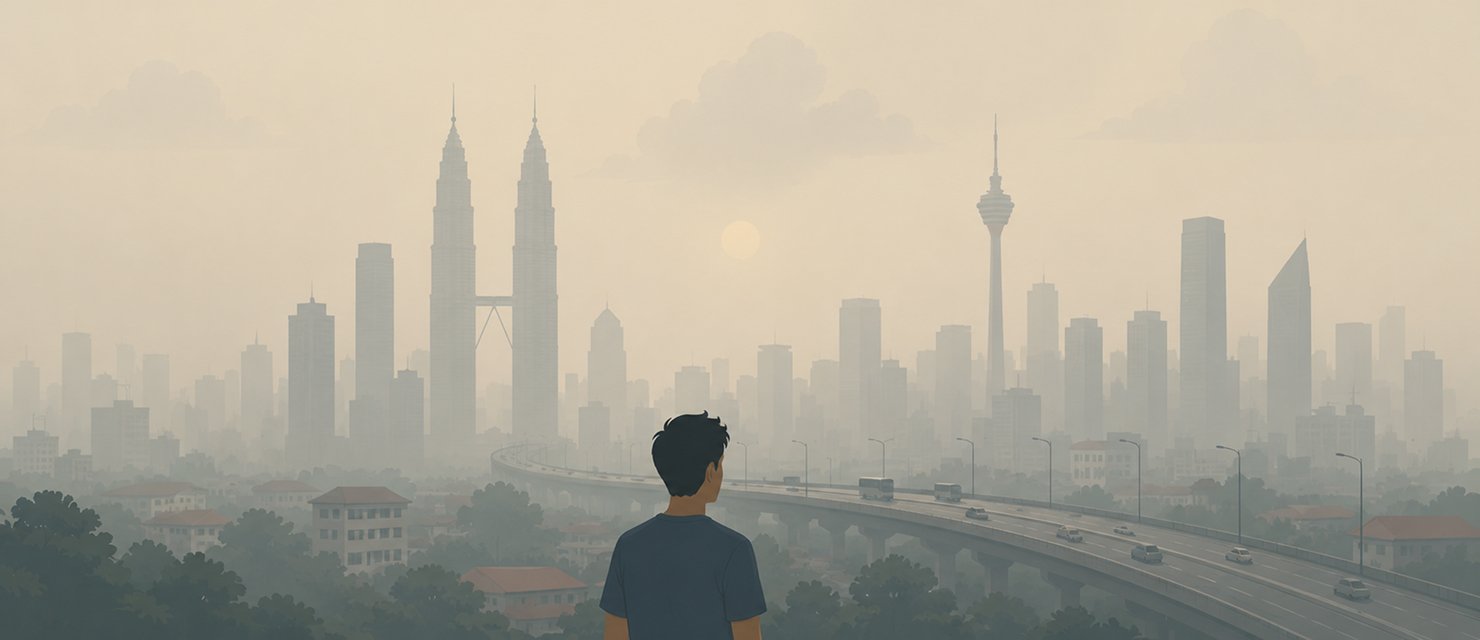
On 11 August 2026, eleven areas in Sarawak recorded Air Pollution Index readings in the unhealthy range, up from eight areas on 9 August. On 12 August, the district of Serian recorded an API of 204, the “very unhealthy” band. This is not a natural Malaysian phenomenon. The cause sits hundreds of kilometres away, across a border.
The real source: fires in Kalimantan and Sumatra
The haze that reaches Malaysia almost every year comes from forest and peatland fires in Indonesia, mainly in Kalimantan and Sumatra. Most of those fires are linked to land clearing for agriculture, including palm oil plantations, using burning because it costs less than the alternatives. The ASEAN Specialised Meteorological Centre recorded up to 643 hotspots in Kalimantan and 17 in Sumatra on 8 August 2026, against just 25 hotspots across all of Malaysia on the same date.
On 8 August 2026 the ASMC recorded 643 hotspots in Kalimantan and 17 in Sumatra, against only 25 across all of Malaysia on the same day, which shows plainly where the haze actually comes from.
Why this season is the worst
The Southwest Monsoon, which MetMalaysia recorded as starting on 14 May 2026 and running through September, brings winds from the southwest, exactly the direction that carries smoke from Sumatra and Kalimantan toward Peninsular Malaysia and Sarawak. The season also coincides with Indonesia’s driest period, which makes fires spread more easily and resist control.
The Singapore Institute of International Affairs issued a Red risk assessment for the 2026 season, only the second Red since the report began in 2019, and identified August and September as the “peak danger period” for serious transboundary haze episodes across Indonesia, Malaysia, Singapore and Brunei.
Why cloud seeding cannot help right now
One common measure for reducing haze is cloud seeding, to trigger rain that can wash the air. In 2026, however, El Nino conditions stripped the rain-bearing clouds from the sky, making cloud seeding impossible until at least 18 August. That means the natural mechanism for clearing haze, rain itself, was absent exactly when it was needed most.
El Nino in 2026 made cloud seeding impossible until at least 18 August, because the pattern removed the rain-bearing clouds the process depends on.
The health effects that get underplayed
A study published in Scientific Reports found that the comparable 2015 Indonesian fires exposed 69 million people across Malaysia, Singapore and Indonesia to unhealthy air quality, and estimated between 6,150 and 17,270 premature deaths in a two-month period alone. Those figures rarely get the coverage that economic losses or tourism disruption receive, but they show that the real cost of haze goes far beyond discomfort or the smell of smoke.
Those health effects build quietly, because long exposure to fine particulates has a cumulative effect on the respiratory and cardiovascular systems, not only the immediate impact visible over a day or two.
Watch the actual air, not just the daily reading
Understanding where the haze comes from explains why it returns almost every year in the same season, but it does not show whether air quality at a specific location is already affected right now. API readings can change quickly with wind direction and distance from the nearest hotspots.
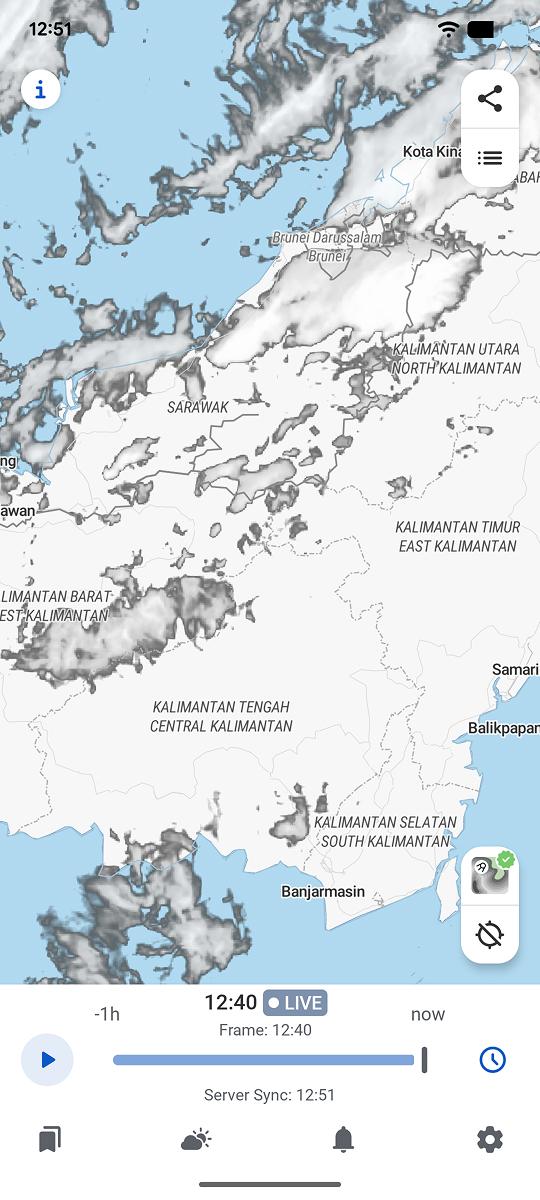
RainViewer shows air quality data alongside live radar, so you can see when transboundary haze is genuinely approaching a saved location.



 RainViewer
